


Gandomin

What is Gandomin?

Gandomin is an independent, women-centered multimedia and cultural platform; a dedicated space for documenting collective memory, preserving lived experiences, and reflecting the intellectual and artistic creations of women. Gandomin is rooted in the belief that history is not written solely through major political events, but is also shaped through the lines on people’s faces, individual experiences, and the untold stories of women who have carried the heavy burden of historical transformations. We have created a safe space where these stories can be documented, preserved, and heard through women’s own voices and perspectives.

Gandomin’s productions and publications are available to audiences around the world in Persian and English through its website, dedicated application, and social media platforms, allowing these voices to be heard and documented beyond geographical borders and limitations.

002 247x300

Why Gandomin?

At a time when women are being deprived of public space and their rights to education and work, storytelling becomes an act of survival and resistance. Gandomin was created to bridge generational gaps and prevent women’s narratives from being appropriated or forgotten; to ensure that lived experiences do not remain in the shadows and that others do not speak on behalf of those who have experienced the pain themselves. We see storytelling as a means of connecting generations, preserving awareness, and standing against censorship.

001 300x229

What does Gandomin do?

Documenting and publishing lived experiences:

Collecting essays, memoirs, documentary photographs, and first-hand accounts of social and historical transformations.

Academic research, commentary, and cultural and artistic criticism: 

Publishing analytical articles, interdisciplinary literary and social research, and specialized criticism of books, films, and artistic works; creating an inclusive and open space for the participation of researchers, writers, and critics regardless of gender.

Digital publications and magazines:

 Gandomin Magazine:

A thematic publication focused on documenting lived experiences, first-hand narratives, and historical transformations—from documenting girls’ memories of school to reflecting on the consequences and transformations brought about by the Taliban’s rule on women’s lives, work, and education.

Nowruzban Magazine:

 A cultural and social publication focused on collective connections, historical identity, and reflecting on women’s memories, experiences, and roles in cultural rituals, traditions, and occasions such as Nowruz.

Multimedia and documentary productions:

 Producing documentaries about spaces of everyday resistance, such as the role of digital platforms and informal home-based education.

Gandomin Radio and Podcast:

Reimagining an independent audio space for in-depth conversations, cultural criticism, and the direct reflection of voices; a means of breaking imposed silence and creating an audio bridge between communities inside Afghanistan and those in exile, where voices become lasting memories.

Workshops and collective conversations: Creating spaces for empowering women’s writing, exchanging experiences, and fostering collective creation.

0003 300x187

Gandomin’s Audience and Geography

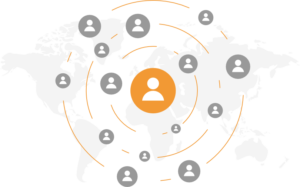
Gandomin is rooted in the lived experiences, awareness, and struggles of the women of Afghanistan, but its audience and reach are not limited to any particular group or geography. While women’s narratives and experiences remain at the heart of the platform, Gandomin’s content speaks to all sections of society, researchers, advocates for justice, and anyone who believes in developing a deeper understanding of human transformations, social justice, and intellectual change.

Today, Gandomin serves as a bridge between communities inside Afghanistan and communities living away from home; an open and shared platform for dialogue across generations and diverse groups, where people can collectively and humanely explore the genealogy of suffering, document historical memory, and create hope.

004 300x300

Who is behind Gandomin?

Gandomin is the result of the efforts of an independent, dynamic, and close-knit three-person core team that has built this cultural and narrative platform by bringing together expertise in literature, media, and the arts:

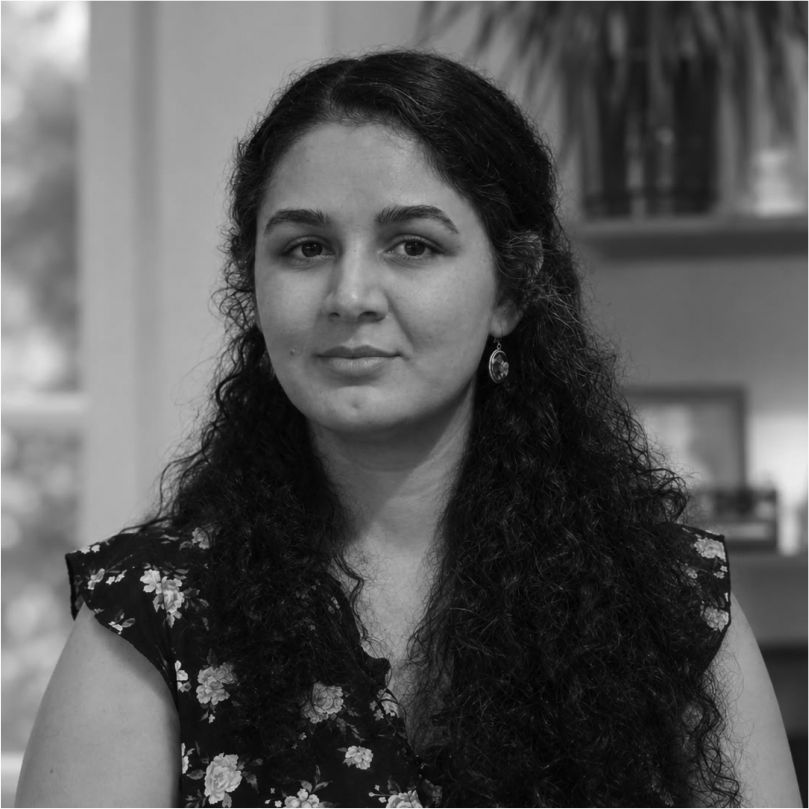
 Behishta Khurram

 Behishta Khurram

Editor-in-Chief and Managing Editor
Born in 1994 in Balkh, Afghanistan. Behishta holds bachelor’s and master’s degrees in Persian Language and Literature from Balkh University. She began her social activities by using art to teach peace to children at the “Child Correction and Rehabilitation Center” and was one of the founders of the “Behsazan Social Organization,” working to empower young people around democracy, peace education, and civic participation. In 2018, she worked with the German Agency for International Cooperation (GIZ) as a peace education specialist. She also has experience leading and editing cultural publications, including Kakh-e Boland and Nowruznameh, and is the creator and narrator of the podcast Women in the Shahnameh, a series that explores the position and role of women in the Shahnameh in comparison with the lives and concerns of women today. Behishta currently serves as the founder, Editor-in-Chief, and Managing Editor of Gandomin, leading its intellectual direction, content policy, editorial oversight of narratives, and documentary and multimedia projects.
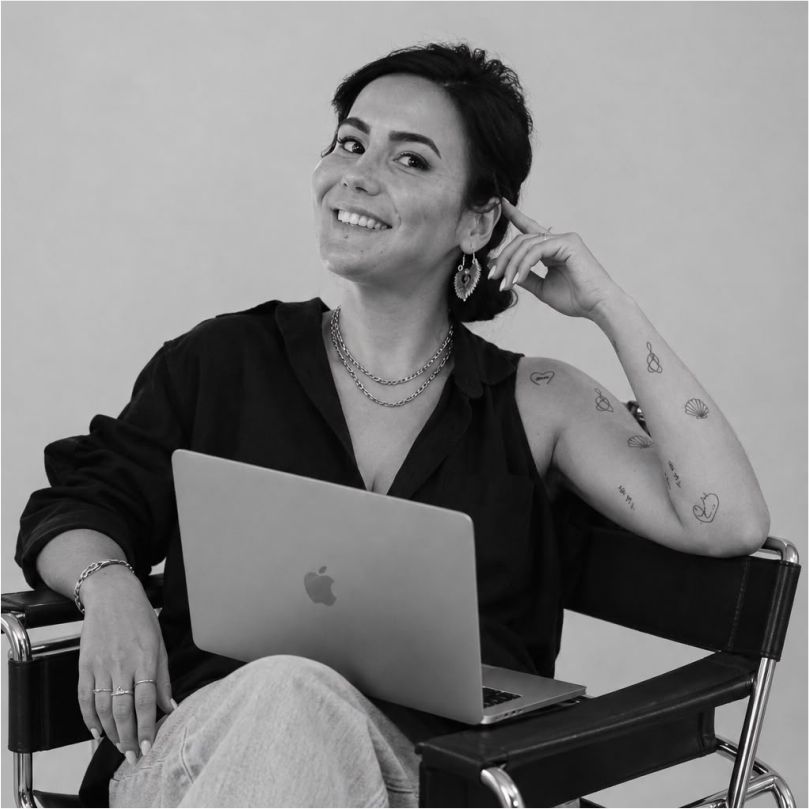
Salima Biglary

Salima Biglary

Head of Broadcasting and Partnerships
Born in 1994 in Tehran, Iran, and originally from Qarqin District, Jawzjan Province, northern Afghanistan. Salima holds a degree in Journalism from Balkh University and a master’s degree in Mass Communication from Ege University in Turkey. She began her media career in 2009 as a producer and presenter of a Turkmen-language program at Killid Radio, while still in school in Mazar-e Sharif. She later worked as a producer and presenter with Arezo TV and Radio and Almas Media. Since 2016, she has worked in the humanitarian sector, continuing her professional career in communications and partnerships. Currently based in the Netherlands, Salima leads partnerships and multimedia broadcasting at Gandomin, overseeing content scheduling and distribution across digital platforms, while strengthening media communications and expanding the reach of Gandomin’s stories and narratives worldwide.
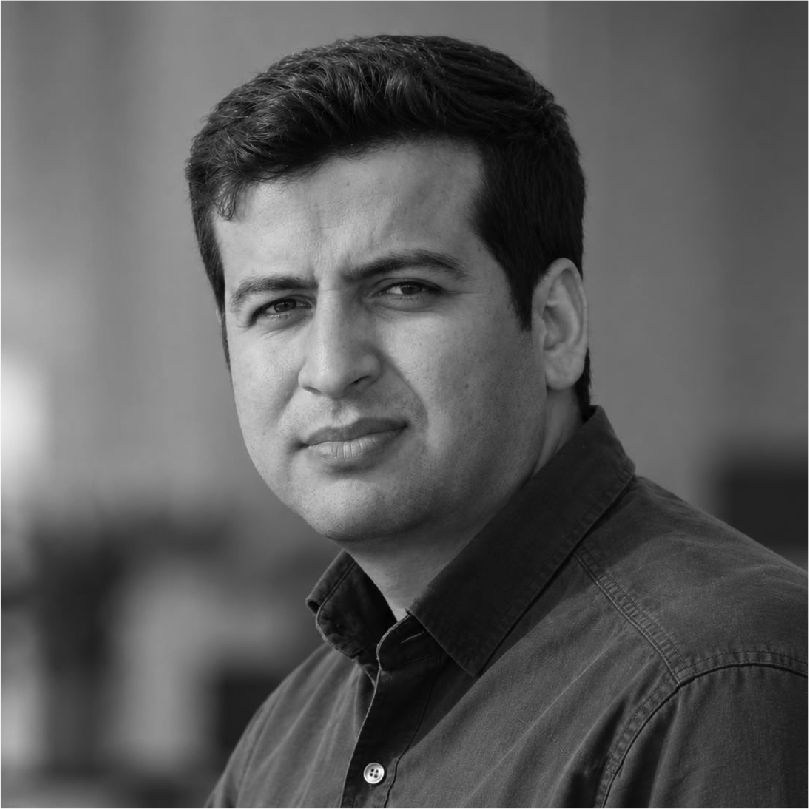
Nesar Arianfar

Nesar Arianfar

Head of Production and Visual Communications
Born in 1989 in Balkh, Afghanistan, Nesar began his professional career in graphic design and magazine layout before moving into visual and audio media. His media career includes roles such as Managing Director of the local media outlet Afghanistan 24 in Balkh and Head of Production at Arezo Television. After migrating to Germany, he founded and managed Abi Cultural Media, a platform through which he created and directed a number of documentary works. Among his notable works is the research documentary Balkh, the Cradle of Nowruz, produced in both Persian and English. He currently oversees content production, technical direction, and the visual and artistic identity of the Gandomin group.

Our Narrators and Collaborators

Gandomin’s primary narrators are girls and women from within the community—those who recount authentic experiences of living and resilience through the realities, challenges, and hopes of their everyday lives. Alongside these narrators, an independent group of writers, researchers, cultural practitioners, and media professionals works with us. We firmly believe that as long as a story is written, read, and retold, its narrators remain unbroken. 

Be Part of Gandomin

Gandomin is not merely a space for reading and listening; it is a space for collective voice and action. If you have an untold story, a passion for literary or artistic creation, or an interest in collaborating on documentary, podcast, radio, or publication projects, Gandomin is your home and your platform.

Get in touch with us!

Share your narratives, stories, and untold words with us.