
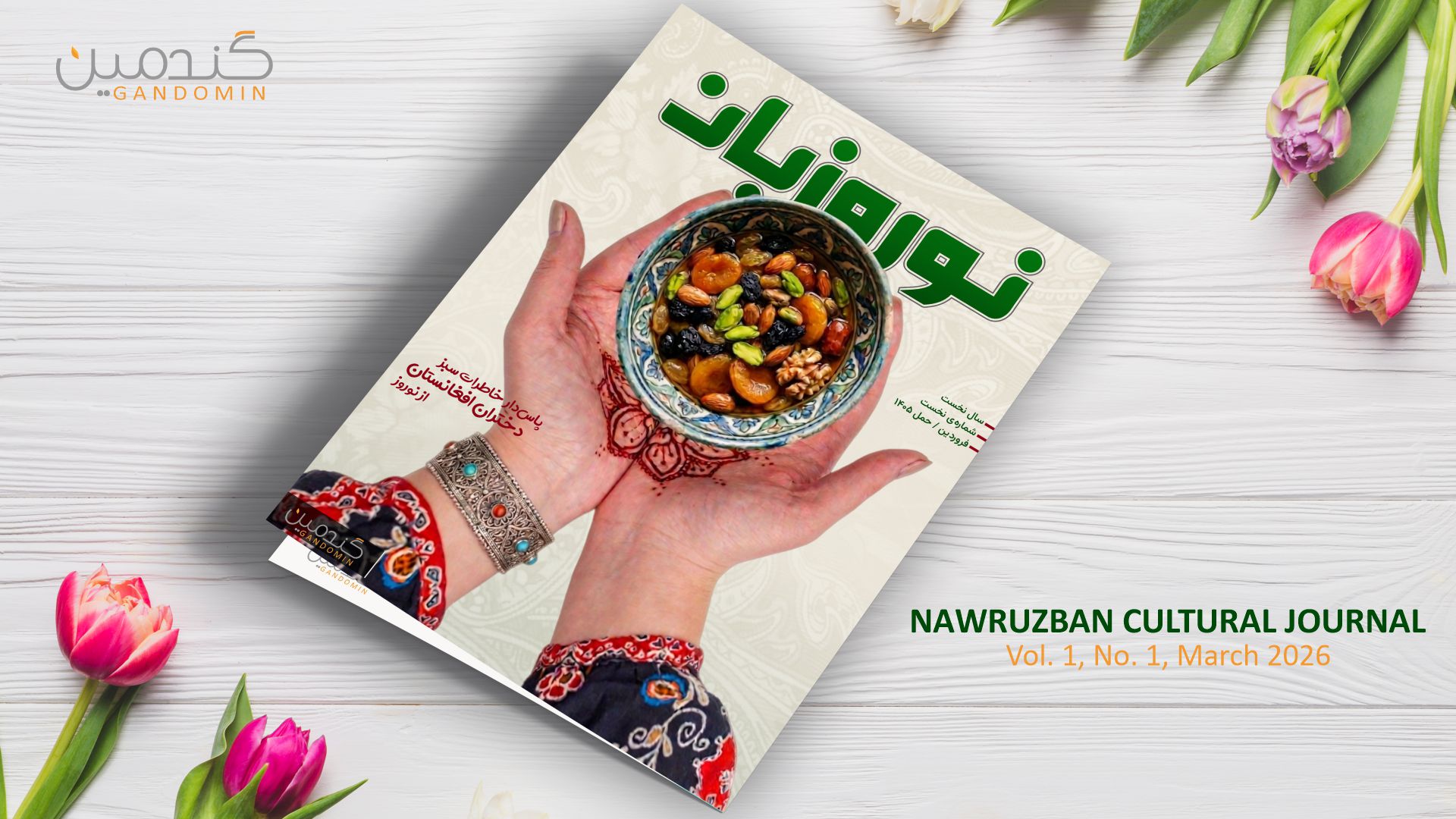
In a time when women have been erased from society and Nowruz has been removed from the official calendar, you can’t connect the two the way people used to. That old connection, the one that tied women to Nowruz through ideas of nature coming back to life, of fertility, of new beginnings, means something different now.
When a mother sits with her daughter and shows her how to make samanak, how to soak the seven fruits, how to sing the Nowruz songs, how to arrange the haft-seen, how to go out for sabzagardi, how to put on new clothes, she’s doing more than keeping a tradition alive. She’s handing her daughter the memory of an entire culture, a culture with roots so deep that no outside force has ever managed to cut through them.
So when we say that women have kept Nowruz alive, door to door, home to home, we’re saying that women are no longer just symbols of new life. They are the memory of a people. With no official space left for these rituals, with so much pushed out of public life, women are the ones holding the culture together, quietly, inside their homes and families.
In circumstances like these, recording memory is no longer just a personal story, it becomes a form of protest. Writing down a memory is an act of civil resistance against the current of erasure and forgetting, and against what is happening in Afghanistan today.
Today, on this special day of Sizdah Bedar, instead of tying the greens out in the open fields, we tie our memories together so they don’t disappear in all this silence. We write, we tell our stories, and that is how we hold our ground.
For us, writing memories is a way of bringing forbidden freedom back into everyday life. That’s why, in this special Nowruz issue of “Nowruzban,” we’ve gathered memories from women across the country, from Badakhshan to Nimroz, from Herat to the far edges of Nangarhar. And from women in exile too, women who no longer live here but whose hearts are still back home, still tied to every Nowruz they ever knew.
They write about Nowruzes from before, when cities were alive with people, color, and celebration. And they write about this Nowruz, the one that feels like an absence. The longing for homes far away, tables that can’t be set the same way anymore, and the strange pain of living somewhere foreign while trying desperately to keep your culture from slipping away.
What you’ll find in this journal is not just writing. It’s lives. It’s memories, hopes, and a deep, quiet ache. The photos here are part of that too. They’re not official pictures; they’re photos the women and girls sent themselves, alongside their stories. Each one is a piece of someone’s life, a sign of a Nowruz that has survived in a room, a courtyard, a home, a heart.
Nowruz may be gone from the calendar, but it won’t be gone from memory. As long as there is a woman in this land who stirs samanak, who grows a patch of green, who writes down one memory of Nowruz, spring will keep finding its way home.
Happy Sizdah Bedar!
NAWRUZBAN CULTURAL JOURNAL
Vol. 1, No. 1, March 2026
Published by: Gandomin Media
Managing Director: Behishta Khurram
Editor in Chief: Frahnaz Hamed



No comment